Every page has a bending point.
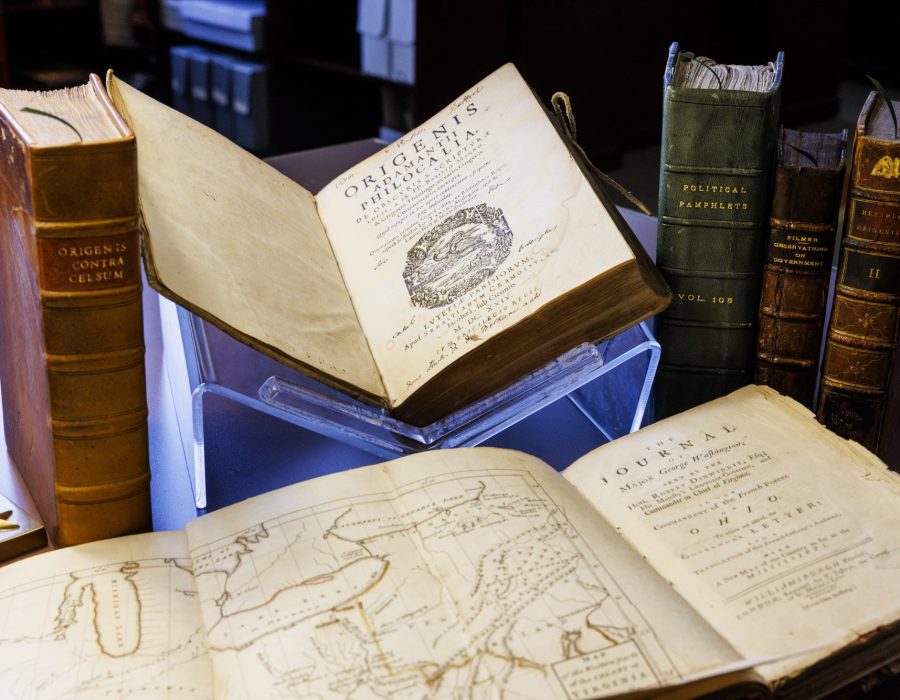
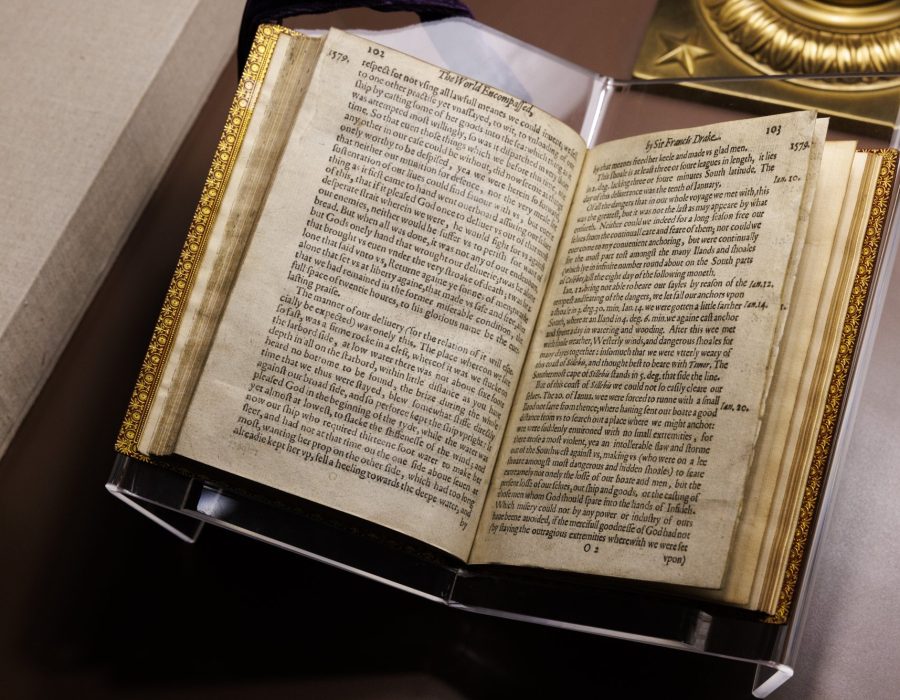
Rare books sourced, catalogued to the collation, and bound by hand.
Recently catalogued
Antiquarian finds and the press's own limited editions, each catalogued to a real bibliographic collation formula.
The same algorithm TeX uses to justify a paragraph
Edit the passage below and watch the real Knuth-Plass dynamic-programming line-breaker choose optimal breakpoints against naive greedy breaking — the difference is why a well-set page looks calm and an unset one looks ragged.
Where the margins actually come from
Long before grid systems, book designers derived a page's text-block position from its trim proportions alone, using a real compass-and-straightedge construction. Adjust the trim size and watch the construction — and the margins it produces — recompute.
From loose sheets to a bound book
Collation
Every gathering is checked leaf by leaf against its formula before a single stitch goes in — a book bound out of collation is bound wrong.
Sewing
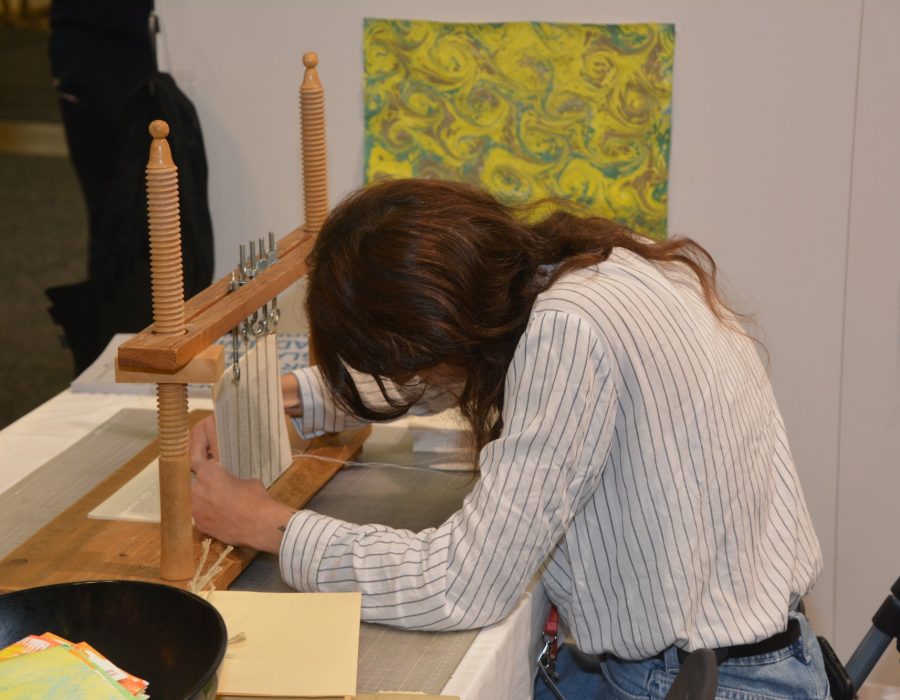
Sections are sewn through the fold onto real linen tapes or cords, the structure that lets a book open flat for centuries rather than months.
Rounding & backing
The spine is rounded and backed to form the shoulders that will seat the boards — skipped on cheap casework, never skipped here.
Covering
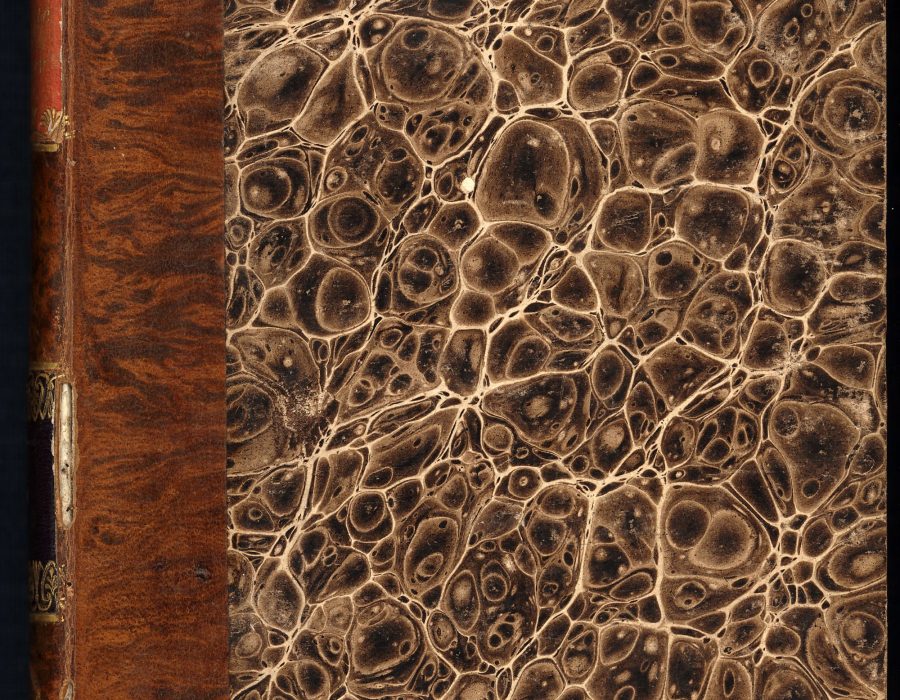
Full or quarter leather, buckram, or marbled paper sides, pared and turned in by hand at the joints.
Finishing
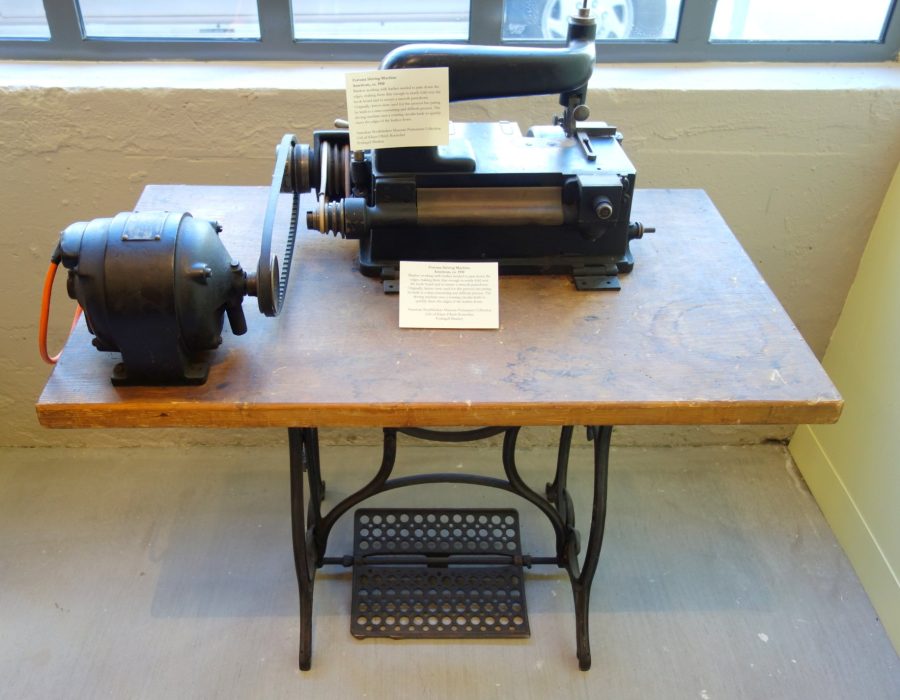
Titling and tooling in gold or blind, finished on the bench the same way it was a hundred years ago.
From collectors and institutions
“The collation note alone saved me from a very expensive mistake.”
“They rebound our entire parish register in the original structure, not a modern shortcut.”
“A working bindery that still thinks like a working bindery.”
Sell a collection, commission a binding
Whether you have a single volume to catalogue or a library to disperse, the shop responds within two business days.